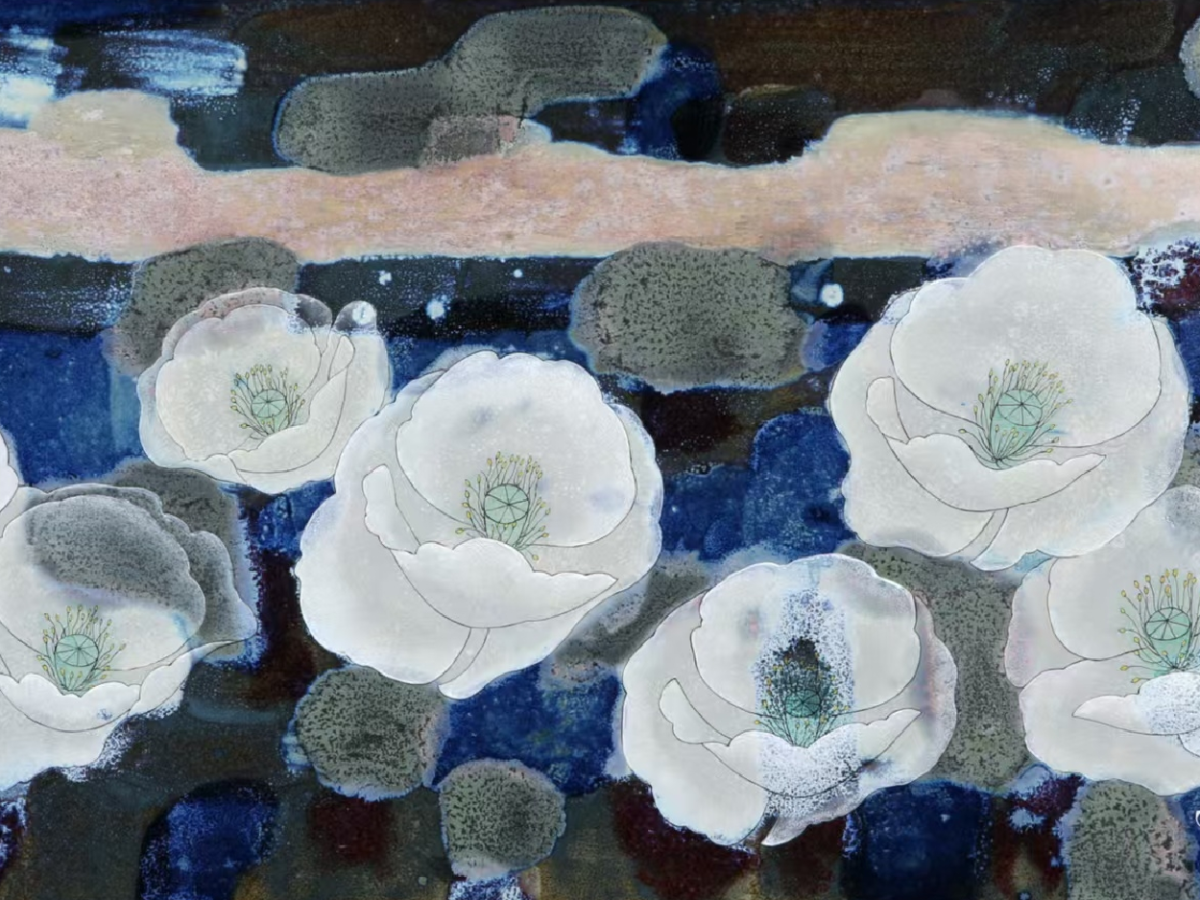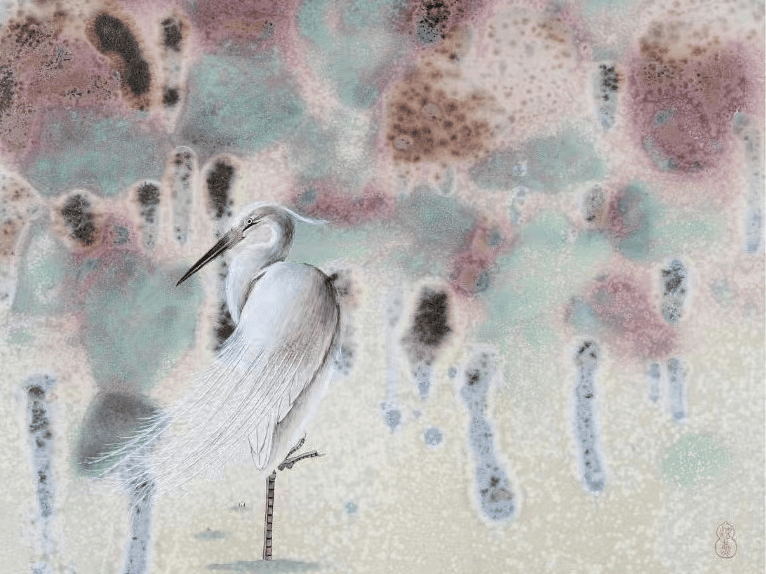
Stoneware figure represents a outstanding craft version with a expansive background, running back legions of centuries. From ancient urns to cutting-edge setups, the resource offers incomparable possibilities for creative performance. Creators apply wide-ranging techniques – including hand-building, wheel shaping, and developed firing processes – to craft humble silt into compelling three-dimensional forms. The sturdiness of fired porcelain also contributes to its status as a truly lasting part of human history.
Delving into Stoneware Sign Compositions and Techniques
The realm of ceramic panel design offers a broad array of inventive possibilities. Makers often engage a variety of heritage-based and innovative techniques to create visually striking pieces. These can extend from simple, sculpted reliefs to complex, multi-layered layouts. Frequently used methods include form mold, manual molding, glaze application – which can involve several approaches like initial glaze painting, top glaze design, and incised illustration where designs are highlighted by excavating a layer of surface. Extra analysis into overlay methods such as quick baking and metallic glaze can create truly one-of-a-kind and individualized pottery boards.
- Shape Forming - Fabricating pieces using a cast
- Manual Fabrication - Carefully molding the earth
- Glaze Application - Finishing the overlay with a shiny finish
- Scratched design - Making visible designs by excavating overlays
Captivating Experiences: Pottery Art Showcases
The growing landscape of creativity presents exciting new avenues for witnesses, and ceramic art installations are at the cutting edge of this trend. These aren't just static figurines; they are fashioned to envelop the viewer in a sensory ambiance. Imagine being surrounded by a forest of towering, embellished ceramic trees, or navigating a complex of fragile ceramic vessels. Many producers are now incorporating sonics, light, and even essence to enhance the impact of their work. Contemplate the power of a room filled with hundreds of meticulously ceramic objects, each telling a legend. Frequently, such installations analyze themes of environment, remembrance, and people.
- They installations blur the limits between sculpture and building.
- Experiencing a ceramic art installation can be a deeply moving journey.
- Artists are redefining the limits of what is feasible with clay.
The Elegance of the Brick Urn: Meaning and Design
The terracotta pot represents a notable conjunction of usefulness and imaginative appeal. Historically, these containers served a fundamental job in storing items, but their evolution has transformed them into highly valued works of expression. Each artifact showcases the skill of the artisan, demonstrating how contour can be as important as use. The thoughtful shaping, the unique glazes, and the complete presence of a exquisitely-finished vessel can enhance a space, offering both grace and a intimate reminder of the human hand.
Current Brick Art : Testing Boundaries
Current earthenware figure represents a fascinating transformation from traditional practices. Creators are energetically testing with novel procedures, blurring the distinctions between pottery and separate imaginative areas. From immense installations to elaborate miniature pieces, noted works explore themes of culture while at the same time reshaping the definition of what earthenware can accomplish. The consequence is a energetic domain of originative performance.
Stoneware Sign: Guarding Legacy in Porcelain
Stoneware plaques offer a special method for registering significant events and persons. Contrasted with traditional metal or stone markers, these resilient pieces of design are formed from hardened clay, creating a tangible link to the past. Typically, they highlight intricate models or delicately designed imagery, communicating stories Portable Travel Cup Set that might otherwise be disregarded. Such technique, traceable to ancient cultures, provides a striking and timeless way to recognize our collective history.
- Such can be placed in accessible spaces.
- A multitude of are now classified historical treasures.
Ceramic Art Presentations: Remodeling Locations
Pottery art installations are flourishing a potent medium for sculptors to reimagine public and private places. These immersive creations frequently involve expansive clay models that captivate viewers, redirecting their insight of the fabricated environment. By employing diverse tactics like hand fabrication and intricate firing tactics, ceramic artists construct truly distinctive experiences, breaking down the divisions between work and setting. The outcome is often a strong shift that raises the artistic quality of the space and promotes debate.
Commencement Wheel to Spectacle: The Craft of the Porcelain Vase
The journey of a stoneware vase from a simple lump of soil to a developed work of creation is a testament to human craftsmanship. Initially, the process commences with the potter’s lathe, where the masterful artisan shapes the revolving terracotta into a cylindrical structure. This beginning stage demands sharpness and a disciplined eye, followed by a delicate firming period. Once rough-fired, the vessel is ready for ornamentation, which may comprise painting intricate arrangements, incising detailed scenes, or adding a diversity of glazes. The last treating process then turns the work into a durable and exquisite holder, a tangible demonstration of the maker's skill.
Forming with Brick: A Introduction to Earthenware Expression
Plunging the world of pottery work begins with studying the tenets of molding with earthenware. This particular system calls for precisely composing and subtracting substance to construct three-dimensional items. Regardless of you're a amateur or a veteran sculptor, practicing with several genres of clay – such as earthenware – will assist you uncover your distinctive voice. In the end, clay working is a satisfying exploration that blends artistic expertise with imaginative interpretation.