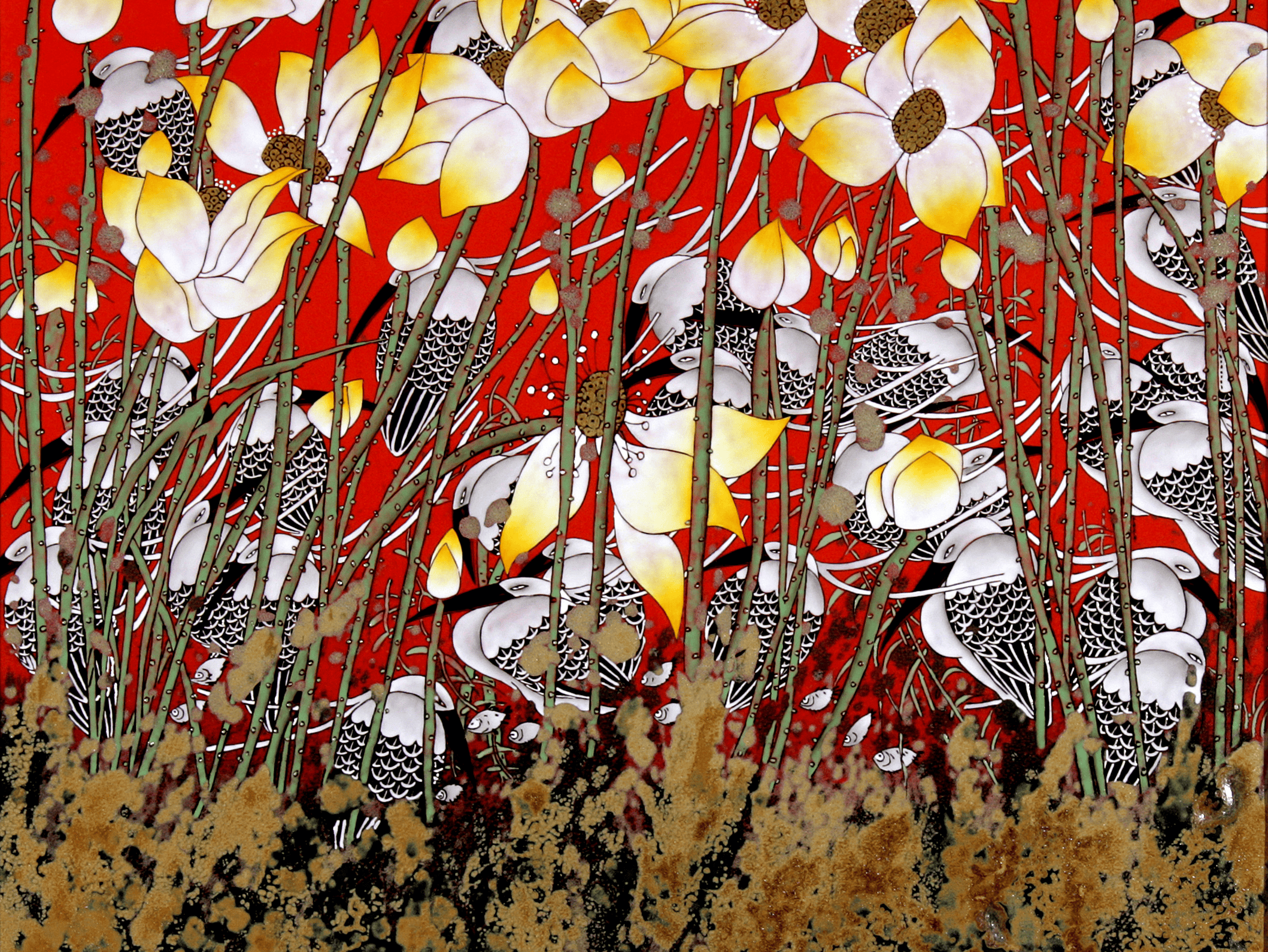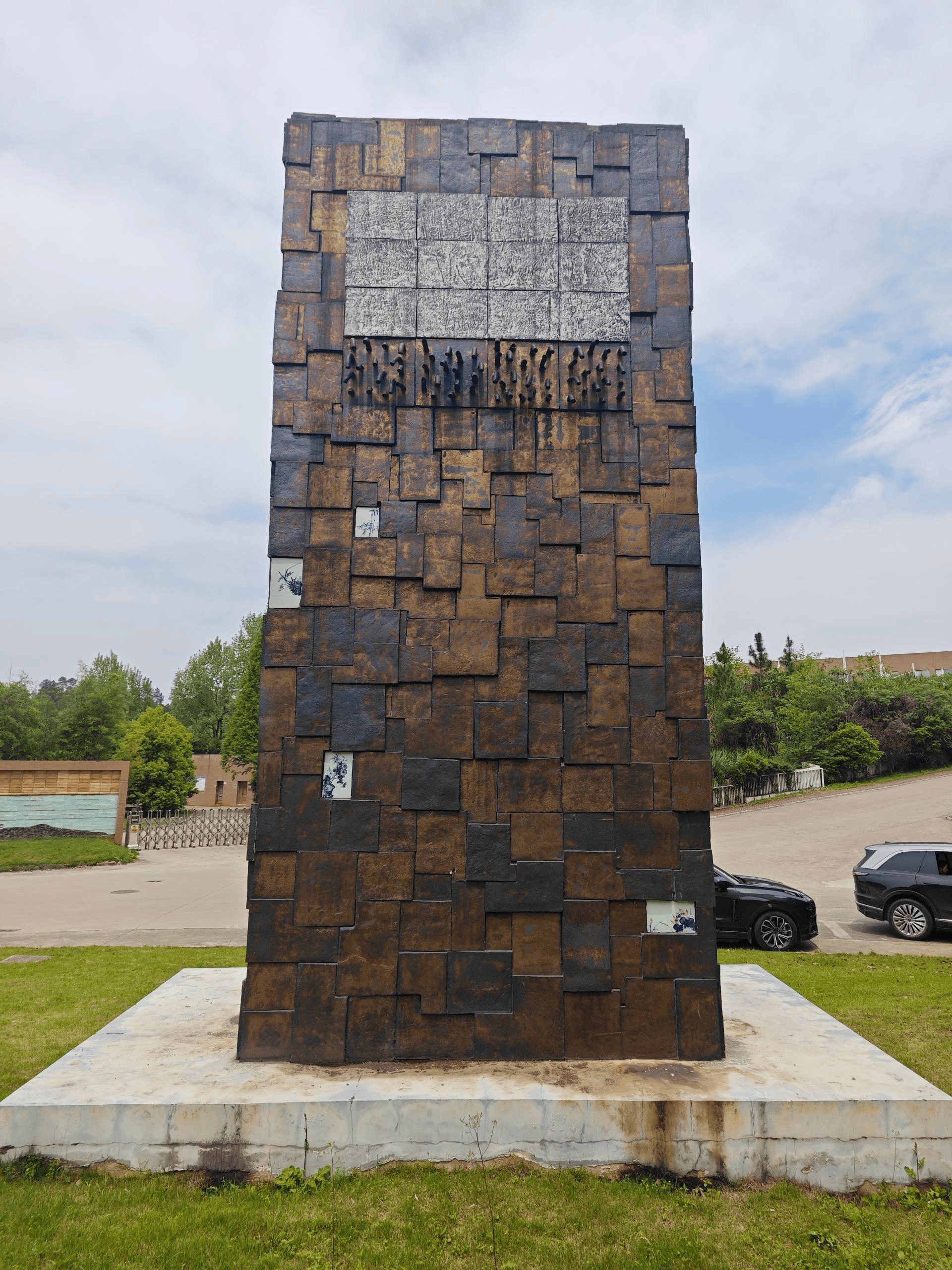
Stoneware figure represents a extraordinary expression version with a prolonged legacy, reaching back multiple of times. From ancient containers to up-to-date presentations, the material offers exceptional possibilities for creative performance. Creators apply distinct techniques – including fabricating, wheel spinning, and intricate firing processes – to alter humble terracotta into pleasing three-dimensional works. The longevity of fired earthenware also contributes to its status as a truly timeless part of human legacy.
Surveying Brick Tile Motifs and Approaches
The domain of ceramic tablet design offers a ample array of original possibilities. Crafters often explore a variety of traditional and modern techniques to create visually impressive pieces. These can extend from simple, sculpted reliefs to complex, multi-layered arrangements. Frequently used methods include casting, hand crafting, finishing glaze – which can involve an array of forms like base glaze illustration, overglaze decoration, and sgraffito where designs are revealed by eroding a layer of sheen. Expanded research into exterior stylings such as cold firing and shimmer glaze can bring about truly exceptional and individualized pottery plaques.
- Mold Fabrication - Generating pieces using a cast
- Manual Fabrication - Carefully molding the material
- Glaze Application - Smearing the layer with a shiny finish
- Scratched design - Making visible designs by stripping overlays
Engaging Experiences: Brick Art Arrangements
The expanding landscape of imagination presents exciting contemporary avenues for observers, and ceramic art installations are at the forefront of this transition. These aren't just static pieces; they are fabricated to envelop the participant in a sensory atmosphere. Imagine venturing into a forest of towering, polished ceramic trees, or navigating a maze of sensitive ceramic vessels. Many designers are now incorporating sound, brightness, and even scent to enhance the vibe of their work. Picture the power of a room filled with hundreds of expertly ceramic works, each telling a story. Usually, such installations explore themes of environment, remembrance, and society.
- Those installations blur the thresholds between work and venue.
- Observing a ceramic art installation can be a deeply transformative journey.
- Makers are transporting the parameters of what is realizable with clay.
This Splendor of the Clay Jar: Function and Structure
The terracotta pot represents a impressive blend of usefulness and imaginative appeal. Historically, these containers served a fundamental assignment in containing substances, but their expansion has transformed them into highly valued works of design. Each work showcases the dexterity of the craftsman, demonstrating how structure can be as meaningful as function. The precise shaping, the individual glazes, and the aggregate presence of a finely-produced jar can boost a space, offering both beauty and a subtle reminder of the artisan’s hand.
Contemporary Clay Work : Reaching Perimeters
Modern clay creation represents a fascinating movement from time-honored practices. Artists are increasingly exploring with fresh tactics, merging the separations between sculpture and various creative fields. From grand installations to precise miniature pieces, aforementioned works explore themes of individuality while parallelly remodeling the basic of what porcelain can manifest. The result is a vigorous sphere of expressive articulation.
Brick Plate: Upholding Record in Stoneware
Terracotta plaques offer a exclusive method for preserving significant events and personalities. As opposed to traditional metal or stone markers, these lasting pieces of work are formed from cooked clay, creating a concrete link to the bygone era. Portable Travel Cup Often, they illustrate intricate models or precisely drawn imagery, communicating stories that might otherwise be disregarded. These technique, traceable to ancient cultures, provides a beautiful and timeless way to remember our collective history.
- Such can be placed in general spaces.
- A multitude of are now viewed historical relics.
Ceramic Art Presentations: Reimagining Environments
Ceramic art installations are materializing a strong medium for creators to revise public and private areas. These immersive designs frequently involve large-scale clay artifacts that surround viewers, shifting their appreciation of the designed environment. By incorporating diverse ways like slab forming and complex firing procedures, ceramic artists produce truly extraordinary experiences, softening the boundaries between craft and space. The impact is often a impactful evolution that enriches the expressive quality of the location and fosters interaction.
From Rotating Wheel to Wonder: The Method of the Ceramic Jar
The journey of a ceramic urn from a simple lump of terracotta to a finalized work of expression is a testament to human skill. Previously, the process initiates with the potter’s circular platform, where the talented artisan creates the spinning earth into a cylindrical form. This primary component demands accuracy and a attuned eye, followed by a delicate dehydration period. Once heat-treated, the holder is ready for decoration, which may consist of decorating intricate patterns, sculpting detailed illustrations, or applying a selection of layers. The definitive baking process then modifies the artifact into a durable and beautiful container, a tangible expression of the builder's vision.
Working with Stoneware: A Course to Brick Craft
Entering the field of porcelain production begins with grasping the essentials of carving with stoneware. A practice requires methodically assembling and carving elements to produce three-dimensional structures. If you're a beginner or a experienced maker, trying with diverse varieties of stoneware – particularly ceramic – will facilitate you explore your original manner. In conclusion, porcelain shaping is a worthwhile quest that joins expert talent with inventive demonstration.