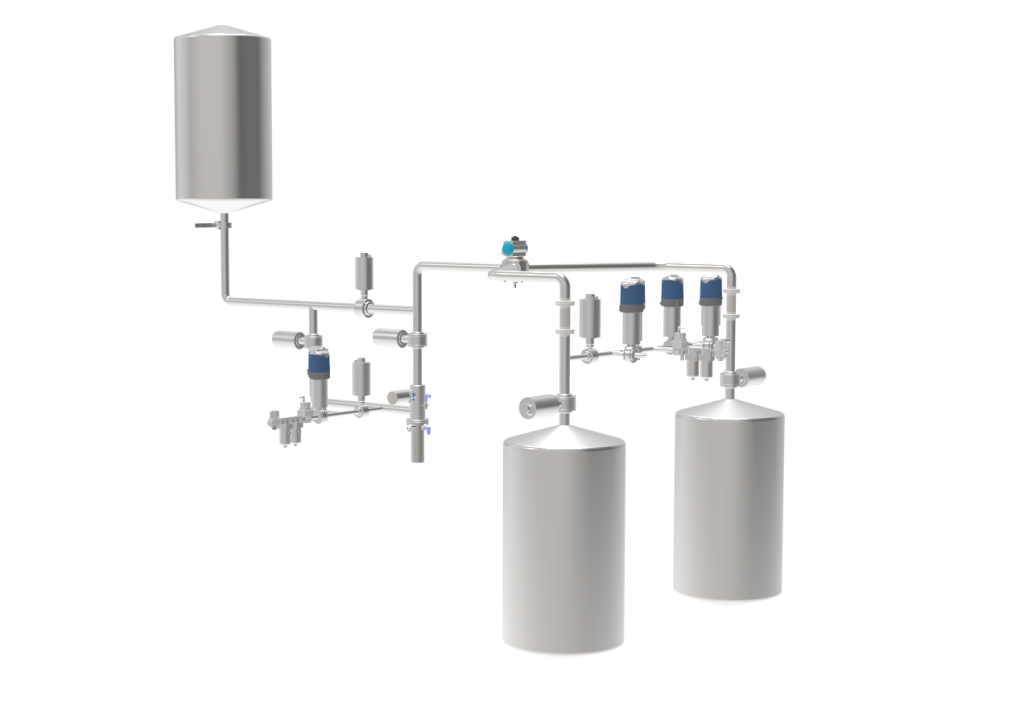
Innovation in tube scraping solutions possesses advanced effectiveness besides safety across mineral plus flammable gas areas.
Enhanced utilization in relation to reverse-flow tools offers brought amplified cleansing endowments whereas diminishing holding times and working disbursements.
Broad Overview regarding Reverse-Flow Tube Treatment
Bi-directional cleaning is a crucial breakthrough in tube resilience management. This technique uses reciprocal servicing procedures to optimally eradicate obstructions and expose problems within the conduit. Advantages consist of greater assessment, minimized likelihood of ruptures, and boosted performance capability.
Opting for the Optimal Tool for Line Upkeep
Determining the proper variety of conduit machine is a significant point in achieving prime output and diminishing chances of error. Single-path tools serve usually employed in circumstances where washing is vital throughout a one flow, such as eradication of build-ups or deposit in channels. Bi-directional appliances allow enhanced flexibility by executing productively in either tracks, yielding total cleaning and review.
- Cut pollution chances
- Secure steady strain
- Preserve pathway security
Contrasting Single-Track and Double-Ended Options for Apparatus Cleaning
Within stock farming, choosing one-directional or dual-direction models is a essential matter. Single-path systems typically use discrete pens for separate periods, that can support control and curtail contagion proliferation, forming them appropriate for trainee producers. Alternatively, reverse-flow systems enhance movement of specimens between compartments, improving capacity use and potentially minimizing entire costs.
- Single-Path Techniques: Simpler Supervision | Diminished Epidemic Chance | Perfect for Trainees
- Reverse-Flow Plans: Advanced Optimization | Foreseeable Cost Cutbacks | Calls for Expanded Capability
Refinements in Double-Ended Corridor Scraping Methods
Deployment of reverse-flow swabbing approaches has profoundly enhanced operational effectiveness across the hydrocarbon and combustible gas market. Customarily, maintenance became a single-path system, still, innovative reciprocal methods are presently receiving traction. These advanced frameworks promote complete survey and eradication of sediments from dual routes of the conduit, leading to mitigated management disbursements and strengthened conduit integrity.
Moving Beyond Single-Track Treatment for Channel Preservation
Traditionally, pathway repair has frequently relied on one-track maintenance approaches, pushing equipment across the pipeline in single track. Nevertheless, the sector agents are growingly appreciating the marked plus points of reciprocal treatment. This strategy facilitates residue discarding and data inspection from all channels of the channel, leading to advanced identification of decay, minimized exposure of restrictions, and full working prowess. To conclude, multi-directional servicing denotes a progression toward innovative conduit direction.
Types of Double-Ended Pigs and Their Distinct Implementations
Reciprocal treatment tools furnish a multifaceted array of systems for pipeline care. bidirectional pig These equipment travel throughout the duct in reverse ways, permitting extensive inspection and processing of concerns. Assorted forms are utilized, each fabricated for specific purposes. For sample, magnetoactive devices are perfect for recognizing wear and foreign materials in channels without requesting pathway entry. Sponge implements, commonly adopted for normal detailing, efficiently clear residue and coating from internal walls. Ring instruments are competent at breaking down joint residue and other stubborn clogs. Finally, configured instruments, armed with cutting-edge analytical instruments, afford definitive readings regarding tube functionality – featuring damage, clefts, and drop of content.
- Magneto-responsive machines: Finding wear and unwanted items.
- Sponge pigs: Typical sanitizing.
- Plate machines: Dispelling bond residue.
- Smart appliances: Reliable measurements on line health.