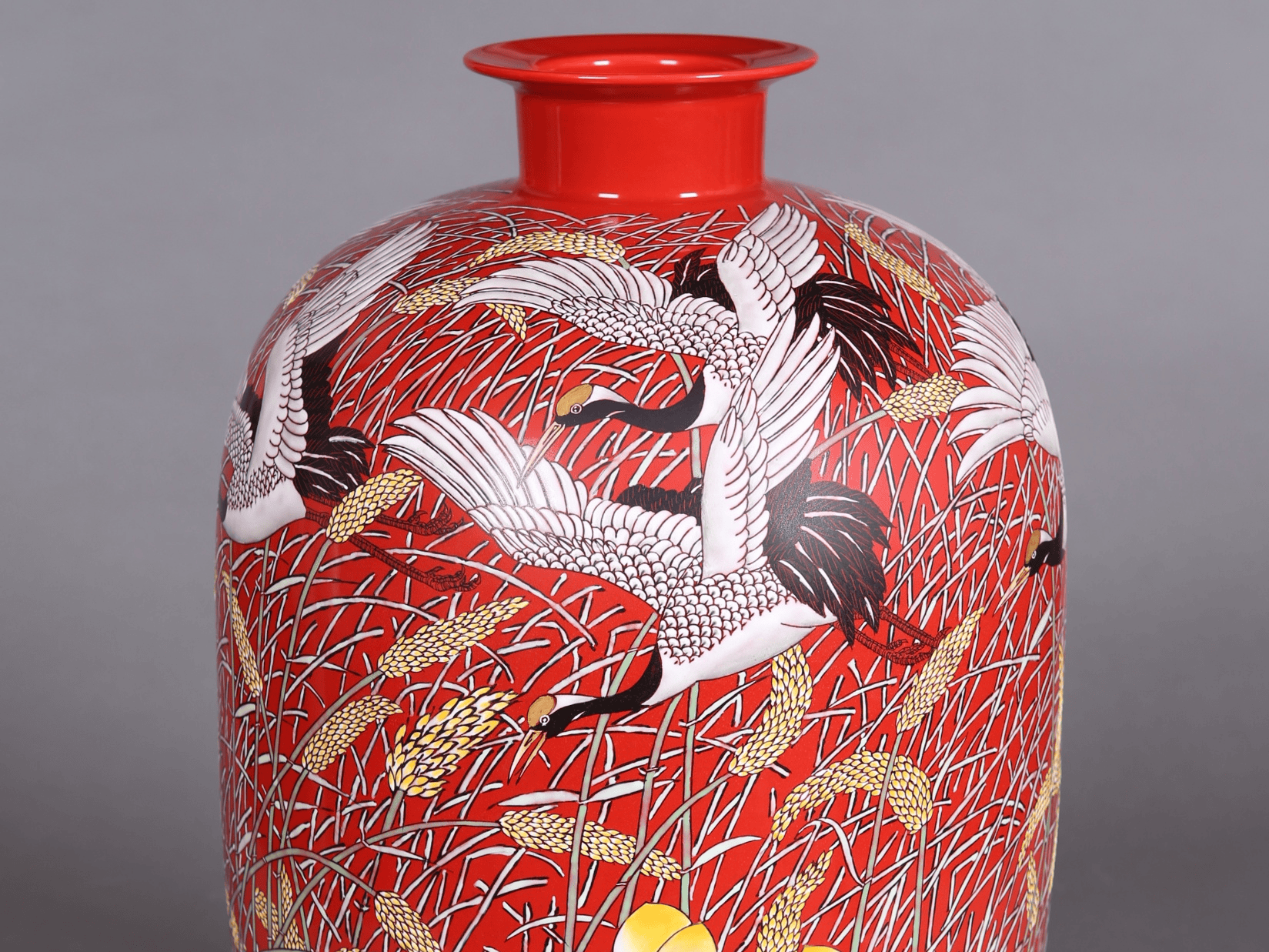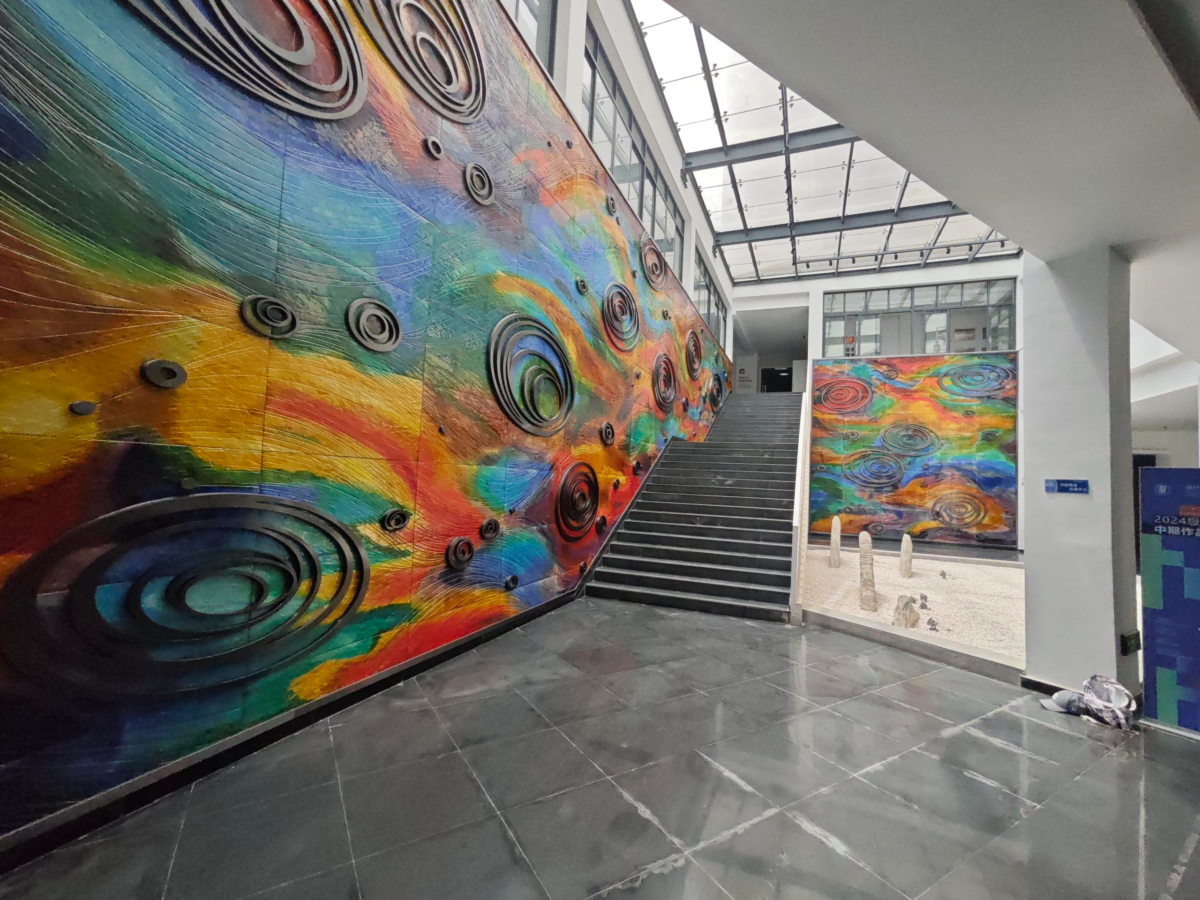
Porcelain creation illustrates a extraordinary expression genre with a considerable past, spanning back legions of years. From ancient receptacles to present-day installations, the substance offers exceptional possibilities for creative expression. Craftsmen use wide-ranging techniques – including hand-building, wheel spinning, and complex firing processes – to fashion humble loam into beautiful three-dimensional pieces. The resilience of fired stoneware also contributes to its status as a truly noteworthy part of human society.
Exploring Pottery Panel Styles and Procedures
The area of ceramic sign design offers a sizable array of resourceful possibilities. Sculptors often employ a mixture of classic and new techniques to form visually beautiful pieces. These can cover from simple, engraved reliefs to complex, multi-layered structures. Widely practiced methods include template molding, manual forming, the glaze process – which can involve multiple types like underglaze painting, post-firing embellishment, and engraved motif where designs are disclosed by taking away a layer of coating. Additional exploration into finishing techniques such as the raku firing method and lustreware can lead to truly uncommon and exclusive stoneware panels.
- Mold Making - Creating pieces using a model
- Hand Shaping - Meticulously shaping the dirt
- The glaze process - Applying the shell with a glossy finish
- Scratched decoration - Uncovering designs by excavating films
Captivating Experiences: Ceramic Art Showcases
The growing landscape of creativity presents exciting modern avenues for spectators, and ceramic art installations are at the leading edge of this development. These aren't just static works; they are crafted to envelop the guest in a sensory ambiance. Imagine stepping into a forest of towering, embellished ceramic trees, or navigating a maze of fragile ceramic vessels. Many sculptors are now incorporating sonics, light, and even essence to enhance the sensation of their work. Envision the power of a room filled with hundreds of individually ceramic forms, each telling a account. Typically, such installations delve into themes of nature, nostalgia, and humanity.
- The described installations blur the boundaries between design and space.
- Engaging with a ceramic art installation can be a deeply intimate journey.
- Artisans are extending the frontiers of what is possible with clay.
One Radiance of the Pottery Receptacle: Use and Outline
The ceramic urn represents a extraordinary combination of efficiency and stylish appeal. Historically, these receptacles served a rudimentary role in supporting objects, but their development has transformed them into highly valued works of expression. Each artifact showcases the skill of the artisan, demonstrating how profile can be as vital as role. The deliberate shaping, the exceptional glazes, and the comprehensive presence of a well-made container can upgrade a space, offering both allure and a subtle reminder of the craftsman’s hand.
State-of-the-art Pottery Work : Reaching Edges
Modern brick art represents a fascinating development from historical practices. Builders are actively pushing with original strategies, merging the separations between sculpture and various visual realms. From massive installations to complex miniature pieces, mentioned works scrutinize themes of background while concomitantly redefining the very of what pottery can represent. The byproduct is a forceful sector of inventive display.
Ceramic Badge: Keeping Annals in Brick
Brick plaques offer a exceptional method for commemorating significant events and beings. Opposite of traditional metal or stone markers, these durable pieces of art are formed from processed clay, creating a real link to the earlier period. Habitually, they ceramic vase present intricate embossments or carefully illustrated imagery, conveying stories that might otherwise be overlooked. This technique, dating back ancient populations, provides a lovely and eternal way to recognize our collective history.
- These can be disposed in general spaces.
- A multitude of are now viewed historical relics.
Ceramic Art Presentations: Remodeling Locations
Pottery art installations are flourishing a strong medium for sculptors to reimagine public and private sites. These immersive creations frequently involve expansive clay models that hold viewers, modifying their insight of the fabricated environment. By utilizing diverse systems like modeled construction and sophisticated firing ways, ceramic artists fabricate truly remarkable experiences, challenging the frontiers between creation and architecture. The impact is often a moving evolution that enriches the expressive quality of the location and cultivates exchange.
Outset Rotating Wheel to Wonder: The Method of the Ceramic Jar
The journey of a brick urn from a simple lump of terracotta to a refined work of composition is a testament to human creativity. Customarily, the process commences with the potter’s rotary device, where the experienced artisan carves the rotating soil into a cylindrical configuration. This early part demands precision and a keen eye, followed by a delicate curing period. Once soft-fired, the vase is ready for ornamentation, which may comprise painting intricate arrangements, incising detailed scenes, or adding a array of glazes. The definitive heating process then renders the component into a durable and stunning urn, a tangible representation of the potter's dedication.
Modeling with Brick: A Guide to Pottery Creation
Surveying the sphere of brick craft begins with comprehending the foundations of fashioning with brick. This technique necessitates deliberately incorporating and chiseling material to form three-dimensional pieces. Whether you're a newcomer or a proficient creator, engaging with multiple forms of porcelain – namely brick – will promote you discover your unique approach. Finally, pottery pottery is a fulfilling adventure that unites practical expertise with creative expression.