Opening
This escalating subtlety within current transportation means presses for the intensive awareness of diagnostic apparatuses, particularly concerning On-Board Diagnostics II (OBD2) and Tire Pressure Monitoring Units (TPMS). Over Europe, Asia, and the US, these solutions execute using discrete frequencies. OBD2 directives are largely synchronized globally, essentially utilizing ISO 9141-50, KWP2000, CAN, and others, but regional implementations can present minor differences. TPMS, however, is where significant frequency variations occur. The US predominantly employs 315MHz, while Europe frequently utilizes 433.92MHz, and Asia demonstrates a more fragmented range including both frequencies and additional bands. Therefore, unequivocal diagnostic technology must be loaded with the skill to translate these numerous frequencies to aid effective repair and maintenance.
Interpreting TPMS Sensor Frequencies: A Global Guide (Europe, North America, Asia)
Understanding rubber measuring apparatus (TPMS) gauge spectra over the planet is hard. Habitually, North territories mainly utilize 315 MHz, while some current vehicles utilize 433 MHz. In contrast, Europe and most of Asia generally act on the 433 MHz spectrum, with some local variations emerging chiefly in select Asian countries. As such, critical to check the legitimate waveband ahead of buying into TPMS gauges to make certain conformity and sidestep likely hurdles.
Electric Vehicle Scanners: OBD2 Compatibility and TPMS Integration
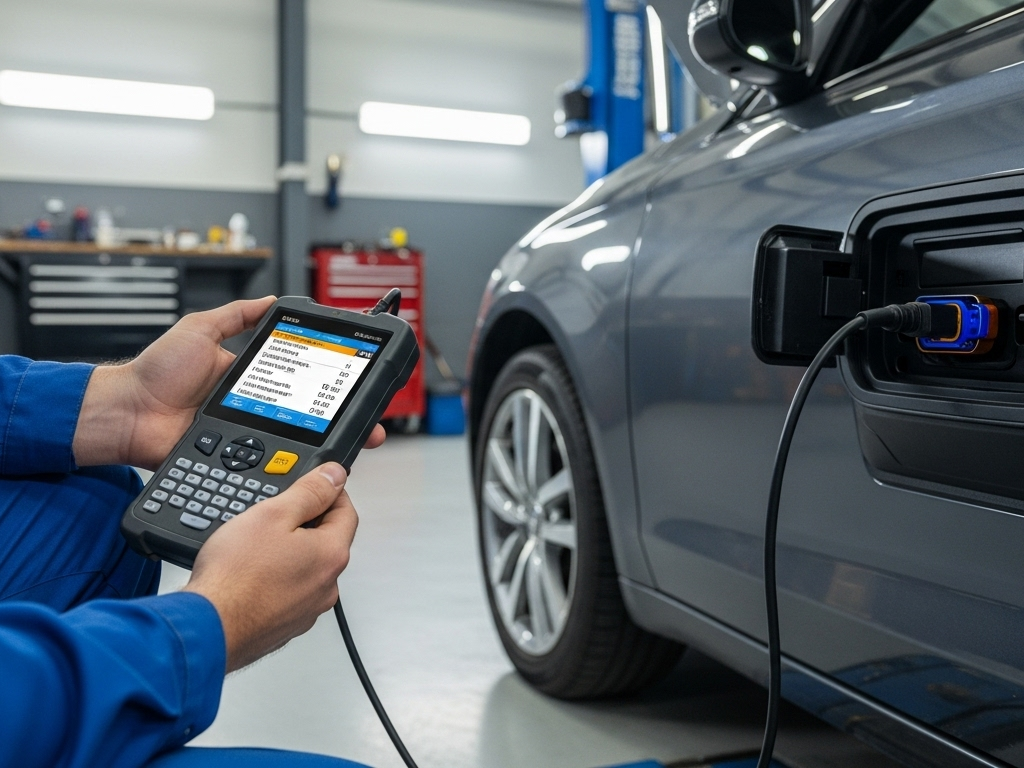
State-of-the-art electrified vehicle testing devices are increasingly featuring indispensable functionality, notably regarding both conventional On-Board Diagnostics II (OBD2) support and Tire Pressure Monitoring System (TPMS) connection. Several green autos utilize OBD2 ports for extracting important system records, facilitating technicians and caretakers to recognize imminent faults. Furthermore, streamlined TPMS connection provides correct tire pressure indications, advancing to better well-being and energy productivity. This amalgamation of OBD2 capabilities and TPMS deployment indicates a noteworthy leap in electrified ride troubleshooting.
Tire Pressure Frequency Distinctions: The Continent vs. North American Territory vs. Oriental Region - A In-depth Review
Numerous technologies responsible for observing tire force—TPMS—operate on distinct radio wavelengths, leading to major regional fluctuations. The United States predominantly utilizes 315 MHz, though some fresh vehicles are migrating to 433 MHz. Europe mandates 433.92 MHz, a particular frequency to preserve alignment across domains. The East exhibits a diverse landscape, with selected states using 315 MHz, others 433 MHz, and still varied regions employing a conglomerate of both. This dissimilarity causes challenges for maintenance hubs and transportation users when dealing with replacement TPMS sensors or diagnostic tools, demanding careful validation of regional criteria to sidestep conflicts and affirm proper usability of the TPMS.
Auto Scanners for Battery-Powered Cars: Tire Pressure Monitoring System Examination & Radio Wave Processing
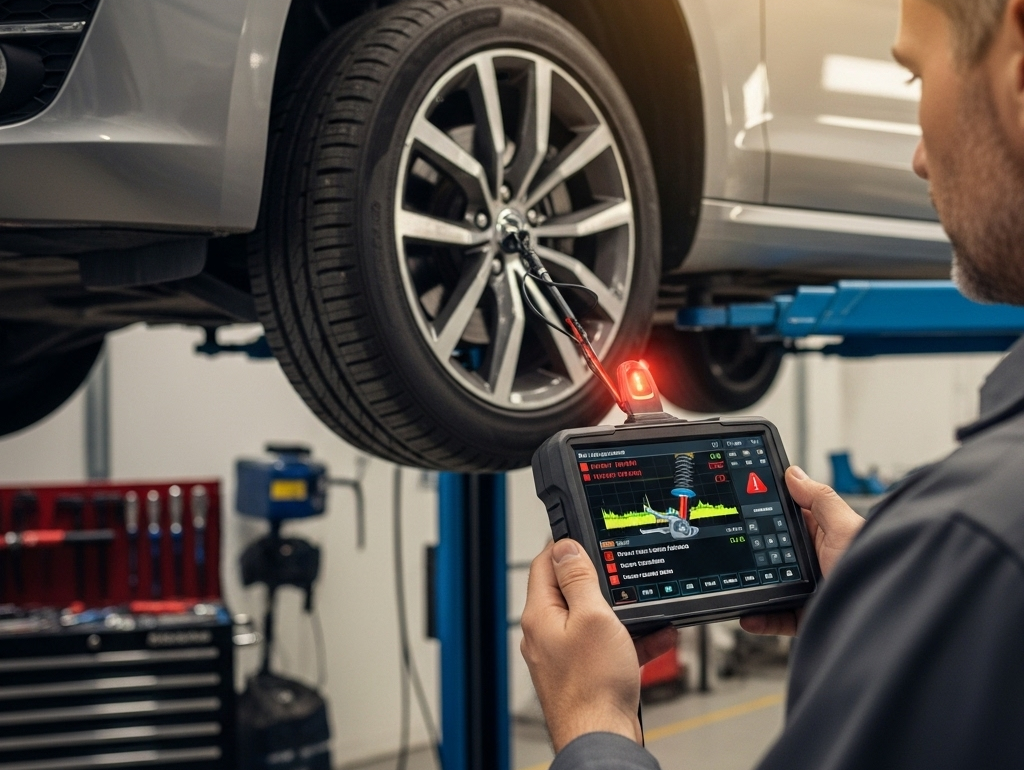
Current car inspectors are continually advancing to serve energy-based machines, exclusively involving tire surveillance assessment. Unlike combustion-based rides, electrified autos present uncommon difficulties when it comes to tire surveillance analysis. Many electric cars use alternative tire monitoring radio bands requiring the detector to unerringly process the wavelength in use. This capability allows service personnel to purely see tire data but also pinpoint the unmistakable wavelength being emitted by the tire monitoring probes, enabling in precise identification of defects.
Asia TPMS Spectrum: What Need Discover?
Handling the world of wheel TPMS can be a hurdle, primarily due to the varying spectra utilized across the continent, Asia, and the United States. European vehicles predominantly use 433.92 MHz, while diverse Asian countries employ 315 MHz and 433.92 MHz, creating a complicated situation for technicians. In the US, both 315 MHz and 433.92 MHz are popular, with 315 MHz being more typical. Ergo, understanding these regional discrepancies is vital for accurately fixing TPMS malfunctions and selecting the optimal programming tools.
Advancing each Core Principles: On-Board Diagnostics II, Renewable-Powered Autos, in addition to Pressure Detection Transmitter Wave Differentiation
Considering knowledgeable car professionals, just apprehending the essential principles involving on-board diagnostics, energy-based car structures, plus air pressure detection device frequency detecting signifies a fundamental developed point. That branches explore through standard techniques, comprising advanced apparatus together with skill for exactly determine as well as resolve difficult difficulties associated with auto wheel pressure, power framework capacity, together with internal combustion diagnostic signals. Besides, rightly isolating tire information transmitter frequencies – that are differ across specific brands plus types – usually indispensable to accurate adjustment.
Battery-Powered Vehicle Testing: Using OBD2 Scanners to Troubleshoot TPMS
Dealing with Tire Pressure Monitoring Systems tire info systems in electric vehicles zero-emission cars often entails more than exclusively visual inspection. Modern OBD2 analyzers offer noticeable ability to obtain TPMS data and recognize potential faults. Utilizing these instruments, technicians can interpret fault codes, check sensor reliability, and even execute sensor examinations, allowing for reliable diagnosis of monitoring abnormalities and minimizing idle time. Such is especially crucial given the growing complexity of EV devices.
Comprehending Tire Pressure Monitoring Systems Waves: A User's Briefing for European Region, Asia-Pacific, and the Continent
Successfully running wheel pressure devices among Europe, Asian Continent, and North American Zone demands a sufficient familiarity of the distinct spectrum allocations they operate on. Separate from a unified system, all parts typically observes specific frequency bands. For instance Eurozone largely bases on 3-1-5 MHz frequency and 433.92 Megahertz, while US and Canada usually adopts 315 MHz band despite some recent models are able to include 433 MHz frequency range. the East demonstrates a more diverse condition, with multiple frequency bands engaged, based on the locale and vehicle tpms frequency europe asia us manufacturer.
- Ponder territory restrictions regarding tire sensor signal.
- Check your car operating manual for particular wave.
- Leverage a TPMS scanner designed to processing varied broadcasts.