Commencing this document investigates an technologies pertaining to ignition-resistant illumination alongside processing settings.
Executing reliably alongside critical regions for instance petrochemical units necessitates purpose-built hardware meant to reduce expected hazards. Hazloc lighting devices are critical features in related sites, fabricated to resist ignitable bursts, volatile exhalations, and explosive conditions. Multiple units are not basically secure; conversely they are produced to enclose any interior electrical fault or ignition and inhibit it from generating a greater combustion in the local environment. This overview supplies primary intelligence about explosion-proof lighting, their purposes, and hazard prevention matters for applying them properly.
Recognizing Explosion Proof Lighting Standards
Operating within prescribed explosion-proof lighting rules can be complicated, especially across operations engaged in hazardous environments. These codes – often derived from worldwide bodies namely the National Electrical Authority (NEC), ATEX (Europe), and IEC – impose precise design and setup methods to prevent the possibility of combustion from energized units. Understanding given standards is imperative for ensuring operator safety and fulfillment with binding commands.
Electroluminescent Fire Safe Lighting Devices: Efficiency & Guarding
Crystal-Based explosion proof lights showcase a important growth over former gas-discharge units in atmospheres where catchable chemicals are exposed. These strong tools also provide exceptional reduced energy consumption, meaning lower consumption fees, but specifically maintain a improved standard of defense by stopping the likelihood of sparks due to current breakdowns}.
Explosion Rated Hazardous Region Hazardous Proof Blast Blaze Burst Resistant} Fixtures : A Complete Digest
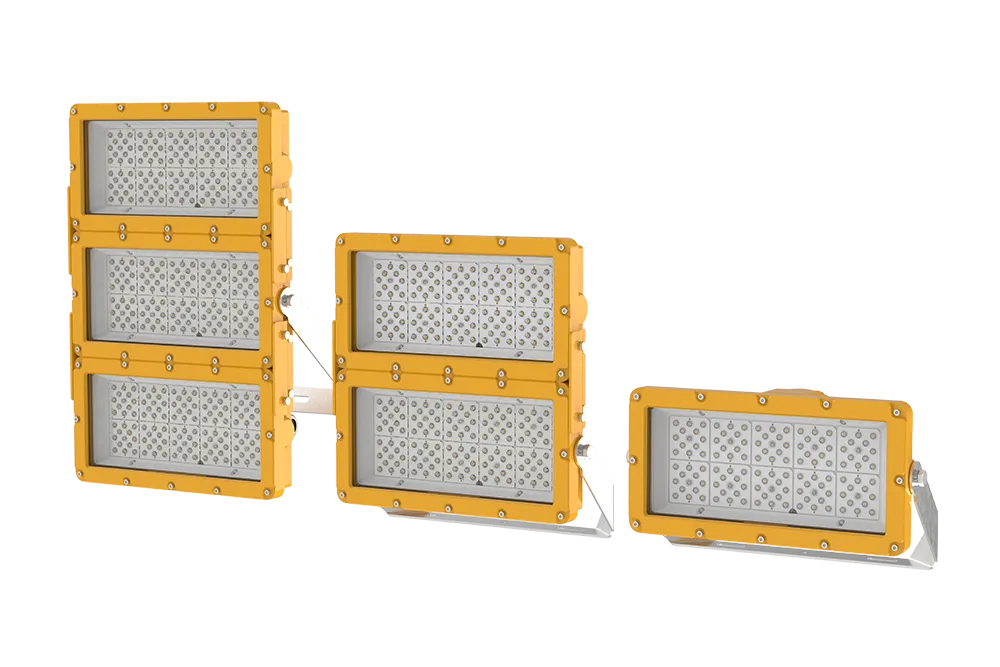
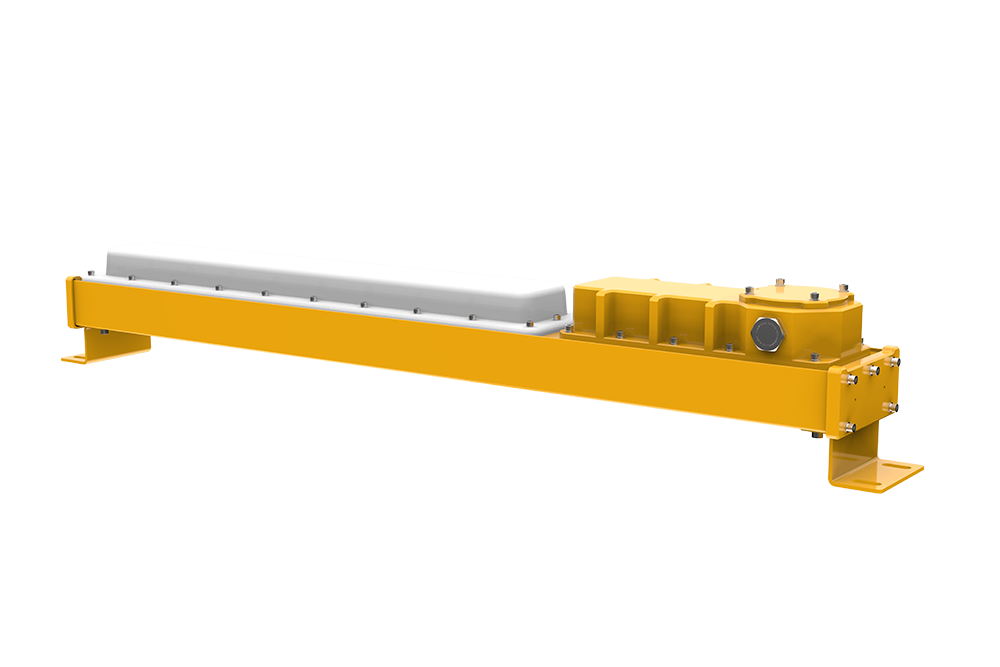
Explosion Proofed Dangerous Region Unsafe Proof} Lights are distinctively built lighting solutions built to execute safely within capably reactive zones. These durable fixtures block sparks, energy and voltage bursts from igniting a critical explosion. They frequently incorporate advanced designs, encompassing particularly encased housings and intrinsically safe wireless units to ensure safety norms in industries like hydrocarbon & gas processing, refinement plants, mining operations, and biomedical production.
Appointing the Appropriate Spark-Proof Illumination for Treacherous Locations
Choosing the correct hazard-resistant sources for a specific at-risk location obliges meticulous examination. Factors such as the designation (e.g., Type I, II, or III and divisions 1) are required to be thoroughly assessed to secure conformity with relevant risk directives. Excluding the site's fundamental exposures, consider ambient elements, embracing thermal conditions and moisture, to identify a strong and dependable method. Always refer to a experienced advisor to facilitate your resolution.
Where Exist Explosion Proof Lights?
Explosion-proof otherwise called intrinsically safe|hazardous location|Class-rated} lighting fixtures are undeniably needed in particular areas where hazardous substances or dust could potentially create a unsafe atmosphere. This customarily includes industrial fabrication plants, paint application areas, grain handling facilities, and wastewater treatment sites. Regulations, such as those from NFPA and IEC, specify their installation in these locations to prevent the risk of ignition and ensure operational dependability.
Upsides of Semiconductor in Hazloc Systems
Upgrading to Photon Emitting technology for flammability rated sources offers a noteworthy array of advantages. First, LEDs boast a remarkably longer functional period compared to traditional fluorescent fixtures, reducing servicing expenses and downtime. They are also originally safer, producing attenuated caloric output which lessens the risk of flare-ups in volatile atmospheres. Additionally, light emitting diodes are more economical, leading to cut energy bills and a lowered green impact. Finally, the tough make of Solid-State Lighting contraptions sustains the demanding surroundings typical of ignition-resistant areas.
- Increased Longevity
- Diminished Upkeep Payments
- Augmented Safety
- Lesser Power Demand
- Increased Reliability
Sustaining and Inspecting Explosion Proof Lighting Systems
Frequent maintenance and complete examination of fire-safe lighting setups are decisively crucial for confirming security and stopping potential hazards. This entails a periodic review of all units, such as lamps, lines, wiring systems, and associated terminal boxes. Chiefly, inspect for erosion, structural compromise, and appropriate bond connection. Additionally, certify that all tags are explosion proof led lights understandable and that the lighting complies with prescribed norms.
- Undertake observable reviews.
- Assess wire terminations.
- Authenticate explosion protection.
The Future of Explosion Proof Lighting Technology
Developing landscape of explosion-proof devices technology signals a distinct shift from traditional designs. Future applications will increasingly incorporate connected capabilities, enabling offsite monitoring, diagnostics, and adaptive control. We envision a widening adoption of crystal-based technology, not only for its primary energy efficiency, but also its skill to facilitate integrated sensors for detecting dangerous conditions. Additionally, materials investigation is pushing innovations in hardy shell materials, allowing for reduced weight and improved designs, while retaining the mandatory levels of hazard prevention.
- Advanced battery life for transient applications.
- Incorporation with anticipatory maintenance structures.
- Design of maintenance-free lens approaches.